
About
Curtis Irie
For most of my life, I wasn’t trying to become a producer. I was just trying to make better records.
I picked up a guitar when I was fourteen and joined a band about three months later. We were not good.
That first band was called Fastt Orange. It lasted about a year. After that, the drummer and I started something new with a kid named Tom May, who applied with an email that said “I play guitar and I can sort of sing a little bit (aah, puberty monster).”
We became Bob and The Sagets. We played punk, ska, reggae, whatever we wanted. No rules.
However, we played original music from day one and eventually headlined shows at the local punk club and sold them out.
Tom started calling me Curtis Irie because I was the reggae guy in a punk band. I never chose the name. It chose me.
After five years, the band stopped practicing. Tom, Joe, and Eric went on to form The Menzingers. Someone once introduced me as “the guy who was almost a Menzinger.” I said man, I’ve done a bunch of other stuff too. I f*cking love those guys. My path was just different.
Around the same time, someone told me everybody can sing. I wasn’t convinced. So I went to the library, checked out a vocal training book with cassette tapes, and taught myself. That might be the earliest example of how I approach music: if I don’t know something, I’ll figure it out.
Two things happened fast when I got to Philadelphia. A guy named Morgan Smith walked up to me at a party and said he knew me from the Bob and The Sagets days. We started playing together almost immediately. And I found a studio called South Street Sounds run by a guy named Jeff.
Morgan became my drummer, my bandmate for years, and eventually the best man at my wedding. Jeff became the reason I started producing.
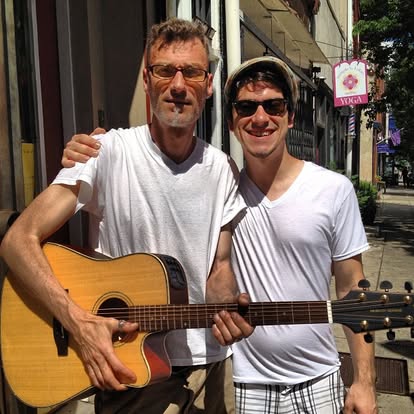
Jeff & I outside South Street Sounds in Philly.
I’d spend as much time asking Jeff questions as I would making music.
“What does that compressor do?” “Why’d you move that microphone?”
Eventually he stopped answering and handed me the keys to Studio B. His way of saying, go find out.
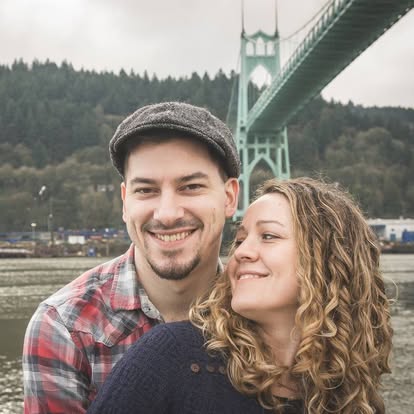
Philly gave me two things. A start in producing. And Amanda, my wife.
Amanda and I were introduced through mutual friends. She ordered Chinese food for everyone that night and I wasn’t included.
She looked at me and said, walk with me to the restaurant.
We’ve been walking into every new chapter together ever since.
By 2010, Philly felt like it was running in circles.
Same parties, same conversations, same everything on repeat. We needed to stretch.
Two weeks before we left, we threw a show that accidentally became the perfect send-off. Vic Ruggiero from The Slackers played. Chris Murray (AKA Ska Jesus) co-headlined. Sammy Kay was there. The afterparty ended up at our house.
(Photos from that night below.)
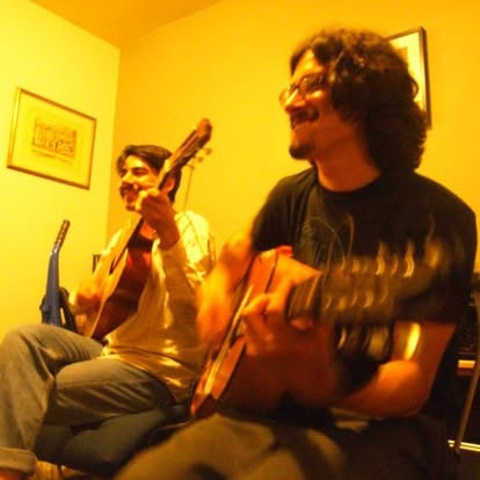
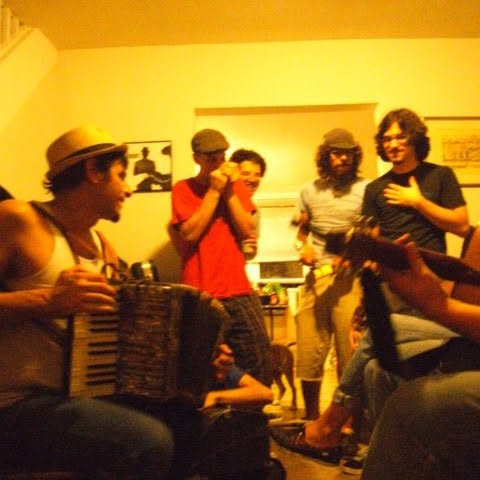
Two weeks later, I finished mixing our second record at South Street Sounds.
I walked out of the studio at dusk, packed the U-Haul, and left Philadelphia that night.
Amanda, Morgan, and I drove 3,000 miles in three days. We slept in Walmart parking lots for a few hours at a time.
Portland. August 1, 2010.
Over the next few years, three people changed the way I hear music.
- Joseph Quinones in Los Angeles, who seems to play every instrument that exists. More importantly, he showed me a completely different approach to recording and making Jamaican music. He’s been one of my biggest musical mentors ever since.
- Brian Dixon, who I watched produce The Slackers and showed me what calm production looks like under pressure.
- And Victor Rice in Sao Paulo, who’s still my main mentor and once called me an idiot for undercharging.
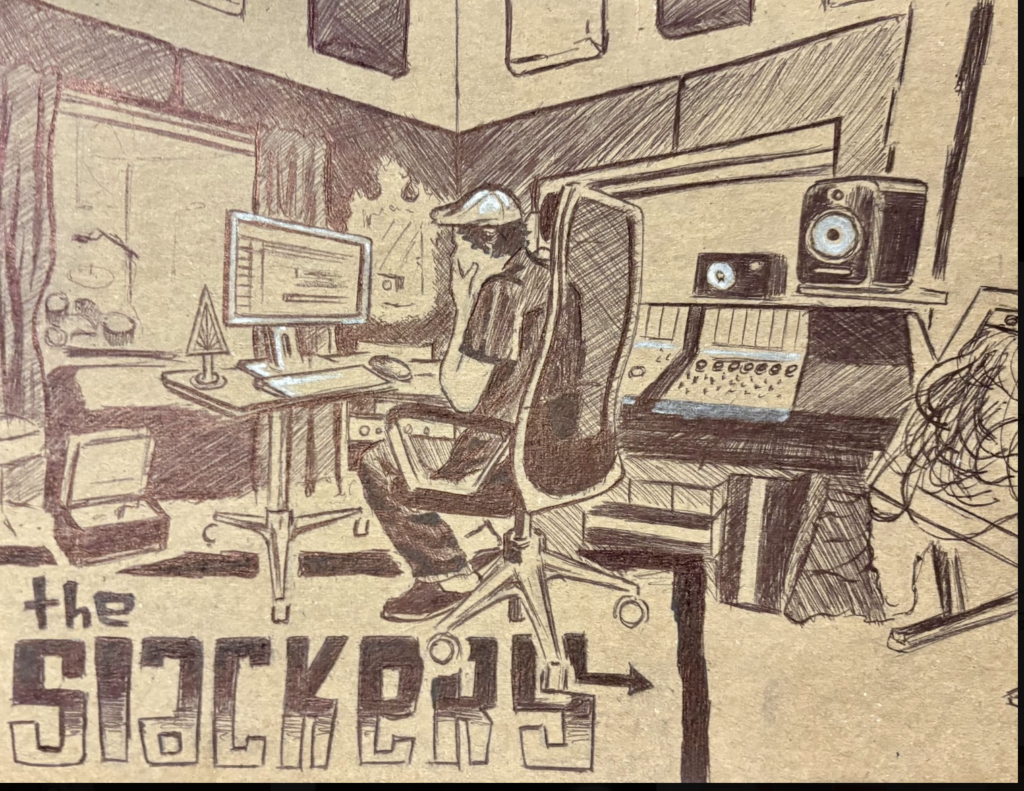
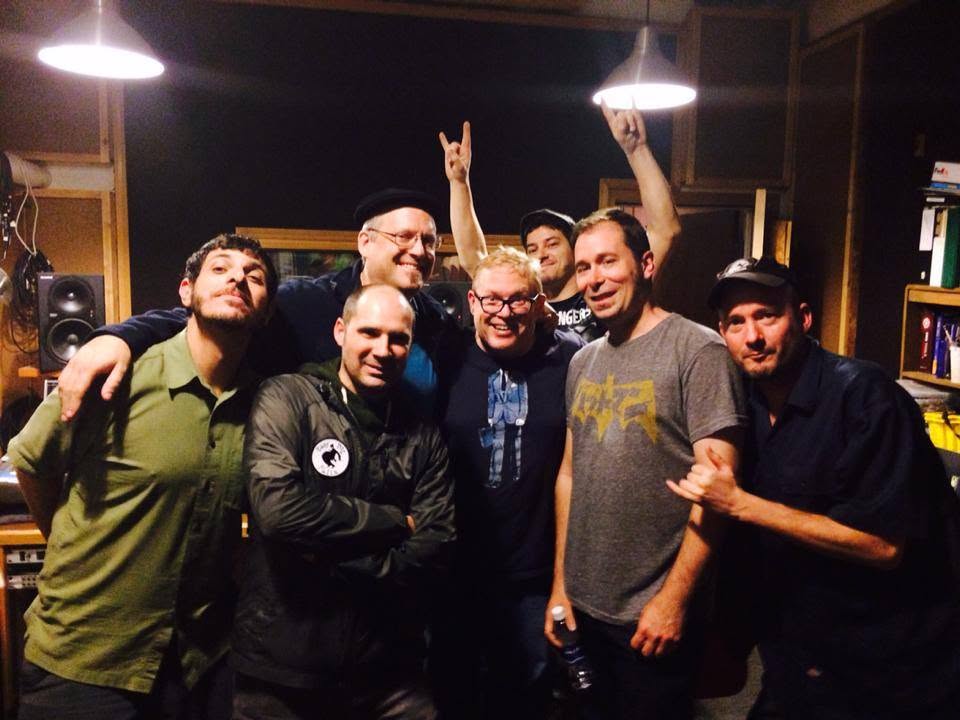
Then The Slackers needed a studio for a record. The same band I’d opened for as a teenager in Scranton. Now they were in my studio in Portland, making new music, and I was the one behind the board. I stood in the room thinking, how the hell did I get here.
When COVID shut everything down, I built a studio at home. It started as a necessity. It became one of the best creative decisions I’ve ever made.
After that, I spent the next few years playing bass and producing records for a band called Bandulus. We toured the US and Europe. I put everything into it.
That chapter ended after a show one night. In a parking lot. The singer told me I was done. Eleven years, and it came down to one sentence.
I didn’t lose it. I hugged him. Told him I loved him. Walked away.
A couple of months later, The Slackers called again. They were making a new record. They didn’t want me to assist this time. They wanted me to produce.
I said yes, please.
I hear music a little differently
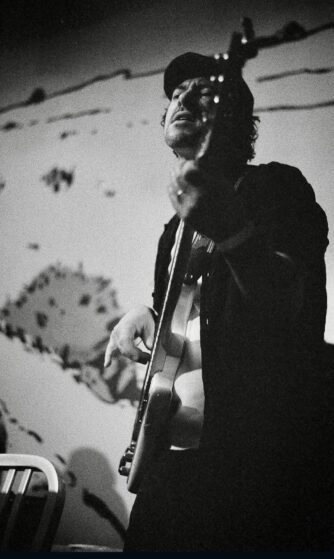
I’ve had hearing problems my whole life.
It changes the way I listen.
For most people, hearing is something that just happens. I’ve never had that luxury. I’ve spent years learning what my ears naturally pick up, what they miss, and how to compensate for it. That habit carries into every record I make.
In 2024, I started wearing hearing aids. They have built-in compression, and I can adjust them to focus on different frequency ranges while I’m listening. They’re another tool that helps me understand what I’m hearing.
The result isn’t that I trust my ears more.
It’s that I trust assumptions less.
I listen. I check. I listen again.
I don’t think every record needs to sound bigger or louder.
I think it needs to sound honest.
My job isn’t to leave my signature on your record. It’s to help you make a record you’ll still be proud of years from now.